News
New York Liquor Licensing For Alcohol Brand Owners

Brand ownership has become a popular pursuit for entrepreneurs eager to break into the alcoholic beverage market. It often involves a business that owns the brand, formula and trade dress but never takes title to product.
This option has several benefits for emerging businesses. Startup costs tend to be lower because inventory and equipment do not need to be purchased or stored. Time can be spent on promoting the brand, rather than manufacture, logistics and other aspects of making, selling, and moving alcohol. Well-crafted agreements with manufacturers and wholesalers may bring opportunities for marketing channels and brand growth.
As always, it is important to understand the relevant laws and regulations that govern these arrangements.
Only Licensed Wholesalers May Sell Alcohol to Retailers.
Except in the case of private collections, New York’s Alcoholic Beverage Control Law (“ABCL”) only permits licensed retailers to purchase from manufacturers and wholesalers licensed by the State Liquor Authority (“SLA”).
Although New York does not require out-of-state shippers’ permits, even if brand owners hold federal basic wholesaler and/or importer permits, without a New York license, they must rely on an in-state wholesaler.
Marketing Brands to New York Consumers
The ABCL enumerates various situations in which companies may lawfully sample and sell alcoholic beverages to New York consumers. Brand owners that are not licensed by the SLA are generally limited to the privileges of the Marketing Permit.
A Marketing Permit authorizes a supplier to conduct tastings and provide samples to consumers of its products. It also authorizes a supplier to accept orders from licensed retailers on behalf of licensed in-state wholesalers, and sell their products by the bottle directly to consumers during tastings. To qualify for the Marketing Permit, a brand owner must hold a manufacturing license from the state in which it operates or a federal basic importer permit. A brand owner that holds only a federal basic wholesaler permit, but not a manufacturing license is not eligible for a Marketing Permit.
Whether a brand owner qualifies for a Marketing Permit, it should consider obtaining an Importer License from the SLA. An Importer License is available for those who wish to import goods into New York and sell those goods to New York licensed wholesalers. It is not available for goods manufactured in New York and it does not authorize sales directly to retailers.
As noted, the holder of an Importer License does qualify for a Marketing Permit. An Importer License solves one additional serious problem for a brand owner. A person with a license generally is not permitted to share income from the sale of alcoholic beverages with a retailer or a non-licensed person. Without a license, the brand owner’s ability to receive payments from a supplier or wholesaler based upon a percentage of sales is extremely limited. By obtaining the proper license, the brand owner’s ability to participate in the profits from the sale of the brand expand significantly.
This article is not intended to give specific legal advice. Before taking any action, the reader should consult with an attorney familiar with the relevant facts and circumstances.
Latest News
Stay informed on the critical current issues impacting the beverage alcohol industry
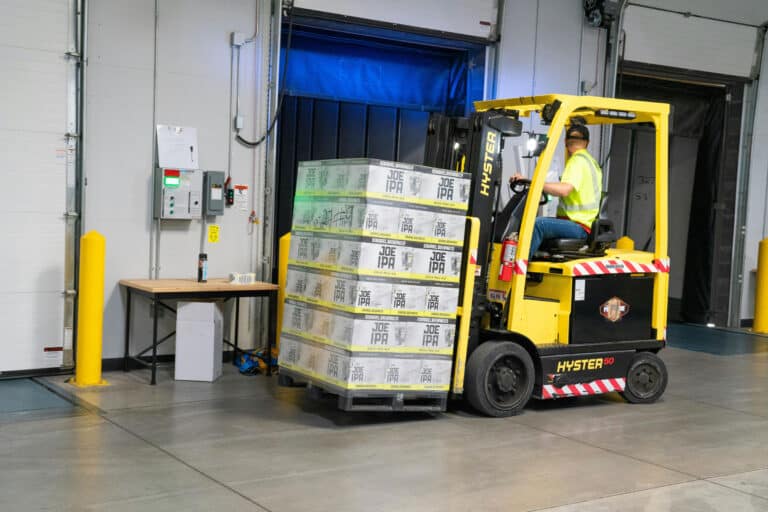
Distribution Agreements
Suppliers and wholesalers should have a written distributor agreement. Before entering into such an agreement, both parties should check the applicable law and rules of each state in the proposed territory. Some states have franchise laws that make it difficult to cancel or curtail such an agreement. In addition, there may be laws that limit […]
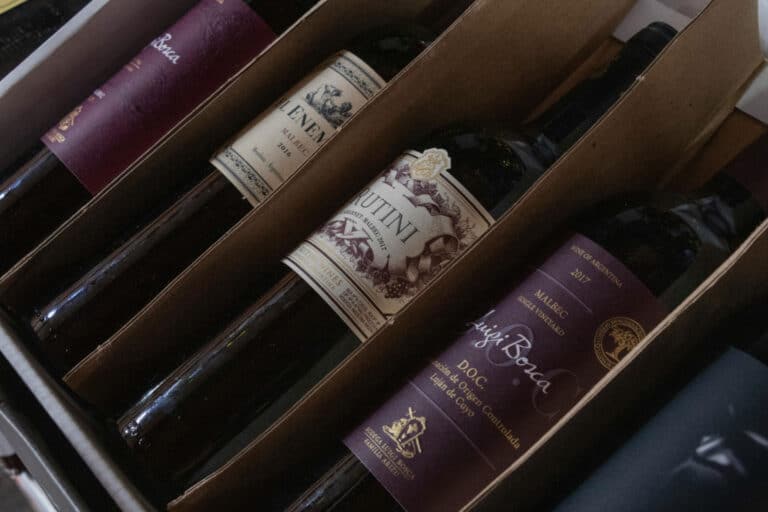
New York State Allows Limited Sales By Package Stores To On-Premise Licensees.
Starting on March 5, 2026, it will be legal for an on-premises retailer, licensed to sell such beverage, to purchase up to a total of six bottles of wine or liquor in a week from package stores, provided those package stores are licensed to sell the beverage in question. The wine or liquor purchased from […]
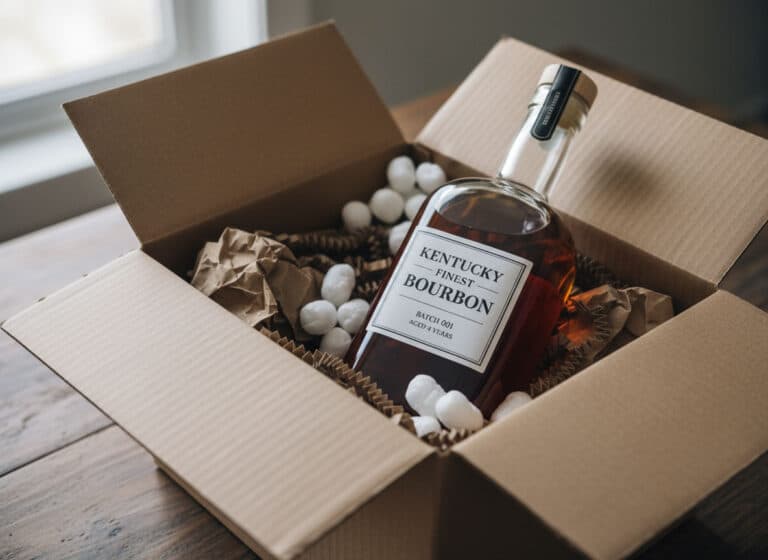
California Opens Door to Spirits Direct Shipping in 2026 — A One-Year Pilot Program
When California’s Assembly Bill 1246 (AB 1246) takes effect on January 1, 2026, it will mark a notable shift in how distilled spirits can reach consumers. Signed by Governor Gavin Newsom on October 3, 2025, the law gives both California craft distillers and certain out-of-state craft producers the opportunity to ship their spirits directly to […]