News
New York State Allows Limited Sales By Package Stores To On-Premise Licensees.
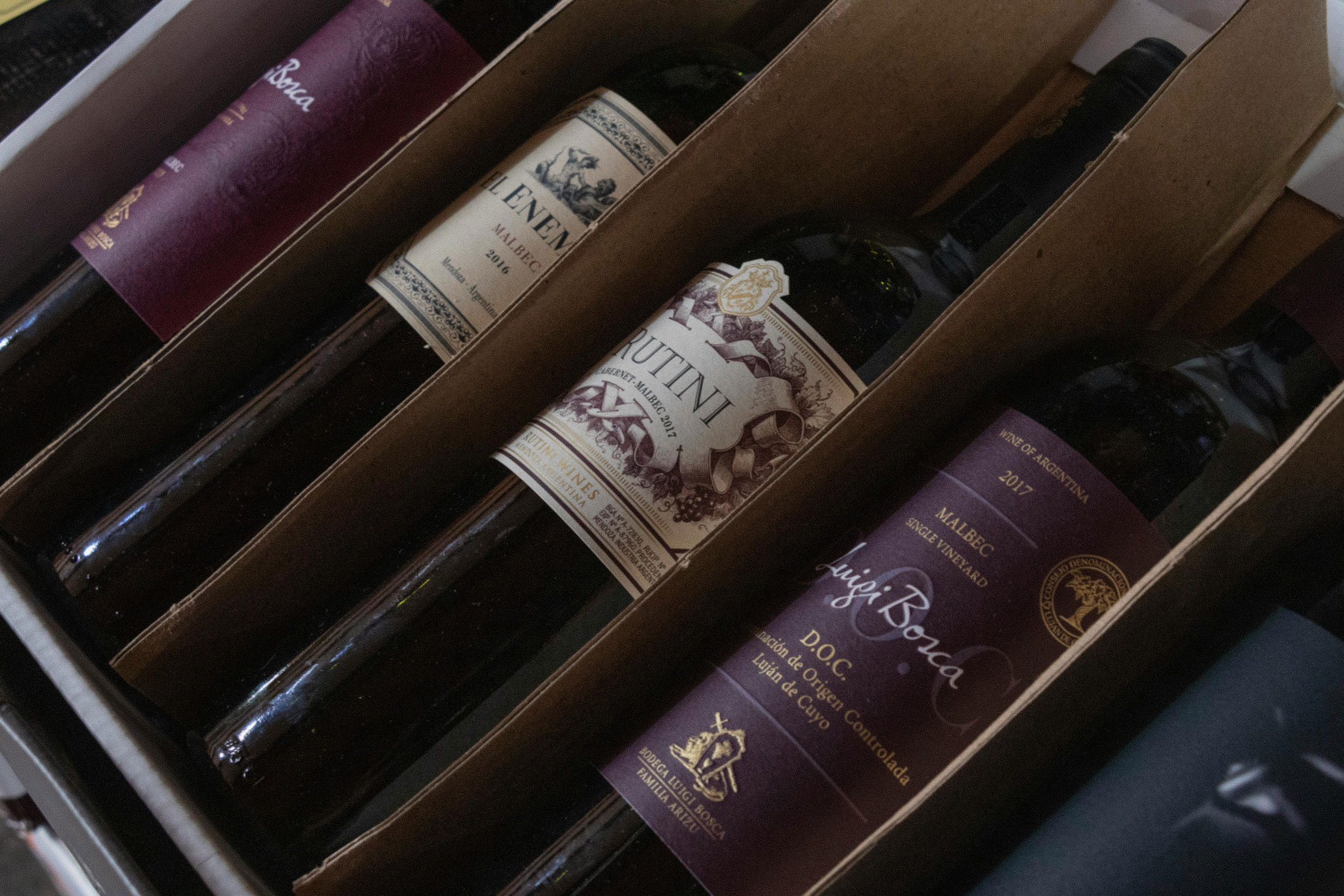
Starting on March 5, 2026, it will be legal for an on-premises retailer, licensed to sell such beverage, to purchase up to a total of six bottles of wine or liquor in a week from package stores, provided those package stores are licensed to sell the beverage in question. The wine or liquor purchased from the package store may be resold for on-premise consumption.
Both the on-premise licensee and the package store must maintain records of the purchases and sales made between retailers in the form of a receipt showing the name of the retailer, the date of the purchase, a description of the items involved and the purchase price paid. These records must be available for inspection by the New York State Liquor Authority.
POTENTIAL FEDERAL CONSEQUENCES.
Although the TTB has not commented on the New York law, those package stores that intend to sell to on-premises retailers should become familiar with federal requirements.
Under Title 27 Chapter I Subchapter C §1.22 of the federal law:
No person, except pursuant to a basic permit issued under the Act, shall:
- Engage in the business of importing into the United States distilled spirits, wine, or malt beverages; or
- While so engaged, sell, offer or deliver for sale, contract to sell, or ship, in interstate or foreign commerce, directly or indirectly or through an affiliate, distilled spirits, wine, or malt beverages so imported.
Citing the statute set forth above, the TTB opined in Revenue Ruling 57-26, “pursuant to the above provisions of law, no person may engage in the business of purchasing either distilled spirits, wine, or malt beverages for resale at wholesale without possessing a wholesaler’s basic permit under the Act, even though such purchases and sales are confined to interstate [sic] commerce and the question of whether or not the alcoholic beverages are manufactured in the state where purchased and sold is immaterial.”
Moreover in form 5630.5d entitled “Alcoholic Dealer Registration,” the TTB defines a retail dealer as, “Anyone who sells, or offers for sale, beverage alcohol products to any person other than a dealer. Examples are package stores, restaurants, bars, private clubs, fraternal organizations, grocery stores or supermarkets which sell such beverages.” The TTB goes on to define a wholesale dealer as, “anyone who sells, or offers for sale, beverage alcohol products to another dealer.” Thus the TTB distinguishes sales to end consumers (retail) from sales to other alcohol businesses (wholesale); But, anyone who meets either definition is a “dealer” and is required to register with the TTB before beginning business.
According to the TTB, “Retail dealers may not sell any distilled spirits, wine or beer to another dealer for purposes of resale until they obtain a wholesaler’s basic permit under the Federal Alcohol Administration Act. See Liquor Laws and Regulations for Retail Dealers: item 4.
Requirements on Retail Dealers Who Sell to Other Dealers
https://www.ttb.gov/laws-regulations-and-public-guidance/liquor-laws-regulations-retail-dealers.
SALES TAX CONSIDERATIONS.
One additional point to keep in mind. Unless it receives a properly completed resale certificate (form ST120) within 90 days of the date of the sale from the on-premise licensee, the package store is required to collect sales tax on the beverages sold under the new law. It is possible to cover multiple sales with a blanket resale certificate, but that will not increase the aggregate number of bottles the on-premises licensee may purchase from all package stores in one week from six.
Keven Danow is an attorney representing members of all three tiers of the Beverage Alcohol Industry and member of The Danow Group, 605 Third Avenue, New York, NY 10158. (212 3703744). Website: thedanowgroup.com; email:kd@thedanowgroup.com
This article is not intended to give specific legal advice. Before taking any action, the reader should consult with an attorney familiar with the relevant facts and circumstances.
Latest News
Stay informed on the critical current issues impacting the beverage alcohol industry
Distribution Agreements
Suppliers and wholesalers should have a written distributor agreement. Before entering into such an agreement, both parties should check the applicable law and rules of each state in the proposed territory. Some states have franchise laws that make it difficult to cancel or curtail such an agreement. In addition, there may be laws that limit […]
California Opens Door to Spirits Direct Shipping in 2026 — A One-Year Pilot Program
When California’s Assembly Bill 1246 (AB 1246) takes effect on January 1, 2026, it will mark a notable shift in how distilled spirits can reach consumers. Signed by Governor Gavin Newsom on October 3, 2025, the law gives both California craft distillers and certain out-of-state craft producers the opportunity to ship their spirits directly to […]

New York Creates For-Profit Club Liquor License: A7040-B Signed Into Law
On August 22, 2025, Governor Kathy Hochul signed Assembly Bill A7040-B, creating a new liquor license category for for-profit membership clubs. The law, which takes effect on February 18, 2026, represents a long-awaited update to New York’s Alcoholic Beverage Control Law. Historically, only not-for-profit clubs—such as fraternal organizations or benevolent associations—could obtain a club license […]